

- Grab a mug. This one is short, soft and a little bit lovely.
- A real fireplace or at least a wood burner
- Thick curtains and a proper duvet
first, the whyWhy slow travel, and why now
Grab a mug. This one is short, soft and a little bit lovely. Here's what I've learned, one cozy evening at a time.
Travelling slowly is kinder in other ways too. Fewer journeys, more time spent in local shops and cafés, a little less rushing past the places other people call home.
There's a version of this that turns into another to-do list, and I'd gently steer you away from it. Nothing here needs doing perfectly, or all at once, or at all. Take the one idea that makes you exhale a little, and leave the rest for another season.
If you're new here, the rest of the travel stories are a lovely place to wander next. I'd start with The art of getting away: places that help you slow down.
a soft place to landWhere to stay and how to choose

The best travel moments I remember weren't on any list. A bakery we found because it was raining. A bench with a view we sat on for an hour. A conversation with a shop owner who told us about a walk that wasn't in the guidebook.
If you're travelling with others, agree the pace before you go. One person's relaxing weekend is another's wasted opportunity, and it's easier to agree on a rhythm over a cup of tea at home than at a crowded station.
Part of the joy is noticing. Most of us move through our days at a speed that blurs everything soft and small. Slowing down by even a few degrees lets the good details back in: the smell of rain on the step, the way afternoon light lands on a shelf, the second cup of tea that's somehow better than the first.
Things I always look for when booking:
- A real fireplace or at least a wood burner
- A pub or café that serves food all afternoon
- Thick curtains and a proper duvet
- A walkable high street with a bakery
A reader once told me that she keeps a little list on her fridge titled things that make today better. Nothing on it costs more than a few pounds or takes longer than half an hour. I think about that list a lot, and I've quietly started one of my own.
hour by hour, ishA cozy little itinerary
- Morning
- Arrive early, drop the bags, and walk straight to the nearest bakery.
- Afternoon
- A two-hour loop on foot while the light is good, then tea and cake by the window.
- Evening
- Early dinner somewhere with a fire. Walk back the long way, by torchlight if you need it.

- Morning
- A late, long breakfast and one last walk up to the viewpoint.
- Afternoon
- Browse the bookshop and the market, pick up something local to take home, then head off before the traffic.

the practical bitGetting there without the stress
- Leave early. Aim to arrive before ten, when the roads and car parks are still quiet.
- Pack the night before. A calm morning starts the trip in the right mood.
- Bring snacks and a flask. Service-station coffee is nobody's favourite memory.
- Plan one stop. A village halfway, a short walk, a stretch of the legs.
into the bagPacking for a slower trip
Shoulder seasons are the secret. Late September, early November, the weeks just after half term: fewer crowds, better prices, and that slightly wistful light that makes everything look like a postcard.


Look for somewhere with a kettle, a window that opens and a chair to read in. Small guesthouses beat big hotels for me nearly every time; someone usually knows the best café and is happy to tell you.
The point isn't to fill the day. It's to leave enough room for it to fill itself.
I'd also say: make it yours. My version of comfort involves wool socks, rain and a slightly overfull bookshelf. Yours might be bright, tidy and full of plants. The details matter far less than the feeling of walking into a moment and thinking, ah, there you are.
I always build in a do-nothing afternoon. No plans, no bookings, just a walk with no destination and a long lunch. It's often the part of the trip I talk about most when I get home.
before you goA few last thoughts
I'm not an expert in any of this, just someone who has spent a long time paying attention to what makes ordinary days feel gentler. Some of what follows I learned the hard way, some I borrowed from friends, and a little of it came from readers who wrote in with better ideas than mine.
I used to come home from trips more tired than when I left. Too many sights, too many trains, too many early alarms. Now I plan for slow travel the opposite way: one base, a short list of maybes, and a lot of unscheduled time.
It's also worth saying that cozy can be shared. Some of my favourite slow moments have been loud ones: a crowded kitchen, a dog underfoot, someone reading bits of the paper aloud. Comfort isn't only for quiet people; it's for anyone who wants to feel at home where they are.
little questionsGood to know
Is slow travel more expensive?
Often it's cheaper. Fewer journeys, one booking, and more meals from bakeries and markets.
What if it rains the whole time?
Then it's a reading holiday. Pack a book, find the café with the window seat, and let the weather set the pace.
How long should a slow trip be?
Two nights is the minimum for me. Three is better: the middle day is where the real resting happens.
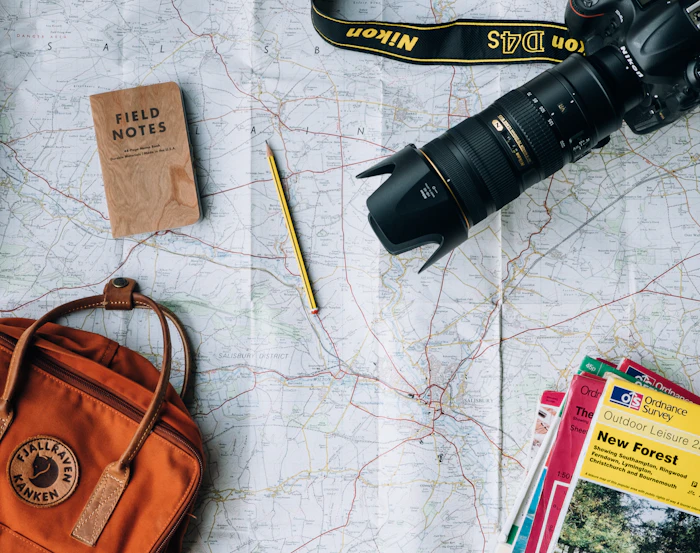
I keep a notebook for this sort of thing, an old one with a soft cover and a ribbon that's started to fray. Every time something small makes a day better, it goes in: a café, a walk, a recipe, a song. On flat days I read back through it, and it never fails to remind me how much good is hiding in ordinary weeks.
If this was useful, save it for a grey day, or send it to the friend who needs a slower weekend. I'll be back soon with more small, good things.
— Soma, from the window seat




0 cozy notes